Japanese Sashiko Shape Circle
As an experienced embroidery designer, I often look for unique and versatile machine embroidery designs that can elevate my handmade products and commercial projects. The Japanese Sashiko Shape Circle from Creative Fabrica caught my attention not just for its aesthetic appeal, but for its potential to add a touch of cultural authenticity and craftsmanship to a wide range of items. This review is based on my real-world testing with various fabrics, hoop sizes, and project types to determine how well the design performs in practical use.
First Impressions: Aesthetic and Detail Level
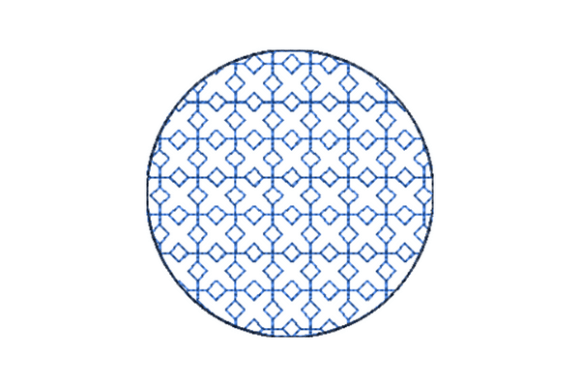
The Japanese Sashiko Shape Circle has a calming and elegant visual mood. It features the traditional running stitch pattern known as Sashiko, which was historically used in Japan to reinforce and preserve fabric. The design’s simplicity and symmetry make it ideal for adding subtle yet meaningful decoration to both modern and traditional pieces.
What stands out immediately is the level of detail in the stitch patterns. The design includes delicate lines and curves that give it a handcrafted feel. It's not overly complex, but the balance between negative space and stitched areas makes it visually appealing without overwhelming the fabric.
Best Fit for Embroidery Projects
This embroidery file works best on projects that benefit from understated elegance. It naturally fits into tote bag designs, sweatshirt embroidery, aprons, baby blankets, and kitchen towels. Its scale also makes it a great choice for embroidered patches, caps, and pillow covers.
For custom apparel, the Japanese Sashiko Shape Circle adds a refined touch that complements casual and semi-formal wear. It’s particularly effective when used as an applique design or combined with other stitches like satin or fill stitch to create depth and dimension.
Practical Use in Real Projects
Testing the Japanese Sashiko Shape Circle on different materials showed mixed results. On smooth, non-stretchy fabrics like cotton or linen, it performed well. However, on stretchy or textured fabrics, the stitching could become slightly distorted if not stabilized properly.
One challenge I encountered was working with small hoop sizes. The design’s intricate details required careful placement and a bit more time to ensure even stitching. For tiny lettering or dense stitch areas, I recommend using a stabilizer to prevent puckering or shifting during the embroidery process.
When applied to dark fabrics, the contrast between the thread color and the background became crucial. Light-colored threads worked best for visibility, while darker threads blended more subtly into the fabric. I tested both light and dark fabric mockups and found that the design adapts well to different color schemes, provided the right thread choices are made.
Performance on Curved Surfaces and Textured Fabrics
Embroidering the Japanese Sashiko Shape Circle on curved surfaces, such as caps or rounded patches, required some adjustment. The design’s circular shape didn’t cause any major issues, but I noticed that the stitch density needed to be carefully managed to avoid stiffness or unevenness around the edges.
On textured fabrics like canvas or denim, the design maintained its clarity but required extra attention to stitch density. Too much density could cause the fabric to stiffen, while too little might result in a less defined look. Finding the right balance was key to achieving a professional finish.
Impact on Product Value and Buyer Trust
Incorporating the Japanese Sashiko Shape Circle into handmade products can significantly enhance their perceived value. The design adds a layer of cultural storytelling that resonates with customers looking for unique, artisanal items. This can be especially beneficial for Etsy sellers, small business owners, and crafters aiming to differentiate their offerings in a competitive market.
When used in personalized gifts or custom apparel, the design contributes to a more polished and thoughtful presentation. It also supports brand consistency by offering a cohesive visual style across different product lines. For businesses that rely on customer engagement and repeat purchases, this kind of design can help build a stronger emotional connection with buyers.
Key Tips for Using Japanese Sashiko Shape Circle
- Test on scrap fabric: Always test the design on a similar fabric before applying it to your final project to check for fit, stitch density, and overall appearance.
- Check thread color contrast: Choose thread colors that complement the fabric and highlight the design’s details without overpowering them.
- Review stitch density: Adjust the stitch density as needed to suit the fabric type and project requirements.
- Confirm hoop size: Ensure the design fits within your embroidery machine’s hoop size limitations to avoid cutting off parts of the design.
- Compare light and dark fabric mockups: Test the design on both light and dark backgrounds to see how it looks in different settings.
- Use proper stabilizer: Stabilizers are essential for maintaining fabric stability, especially on stretchy or textured materials.
- Inspect small details after stitching: Check for any missed stitches or inconsistencies, particularly in intricate areas.
- Confirm file details and licensing: Before selling finished items, verify the file format, machine compatibility, and licensing terms on the Creative Fabrica product page.
Conclusion: A Versatile and Elegant Design
The Japanese Sashiko Shape Circle is a versatile and elegant machine embroidery design that offers a unique blend of tradition and modernity. Its clean lines and cultural significance make it suitable for a wide range of applications, from custom apparel to handmade gifts and commercial embroidery projects.
While it requires some care in execution—especially on challenging fabrics or in small hoop sizes—it delivers a high-quality finish that can elevate the visual appeal of any product. Whether you're an Etsy seller, a small business owner, or a creative entrepreneur, this design is worth considering for its ability to add depth, authenticity, and artistic flair to your work.